
Notes from the Fastlane
Playbooks, distribution tactics, and product updates for builders who ship.
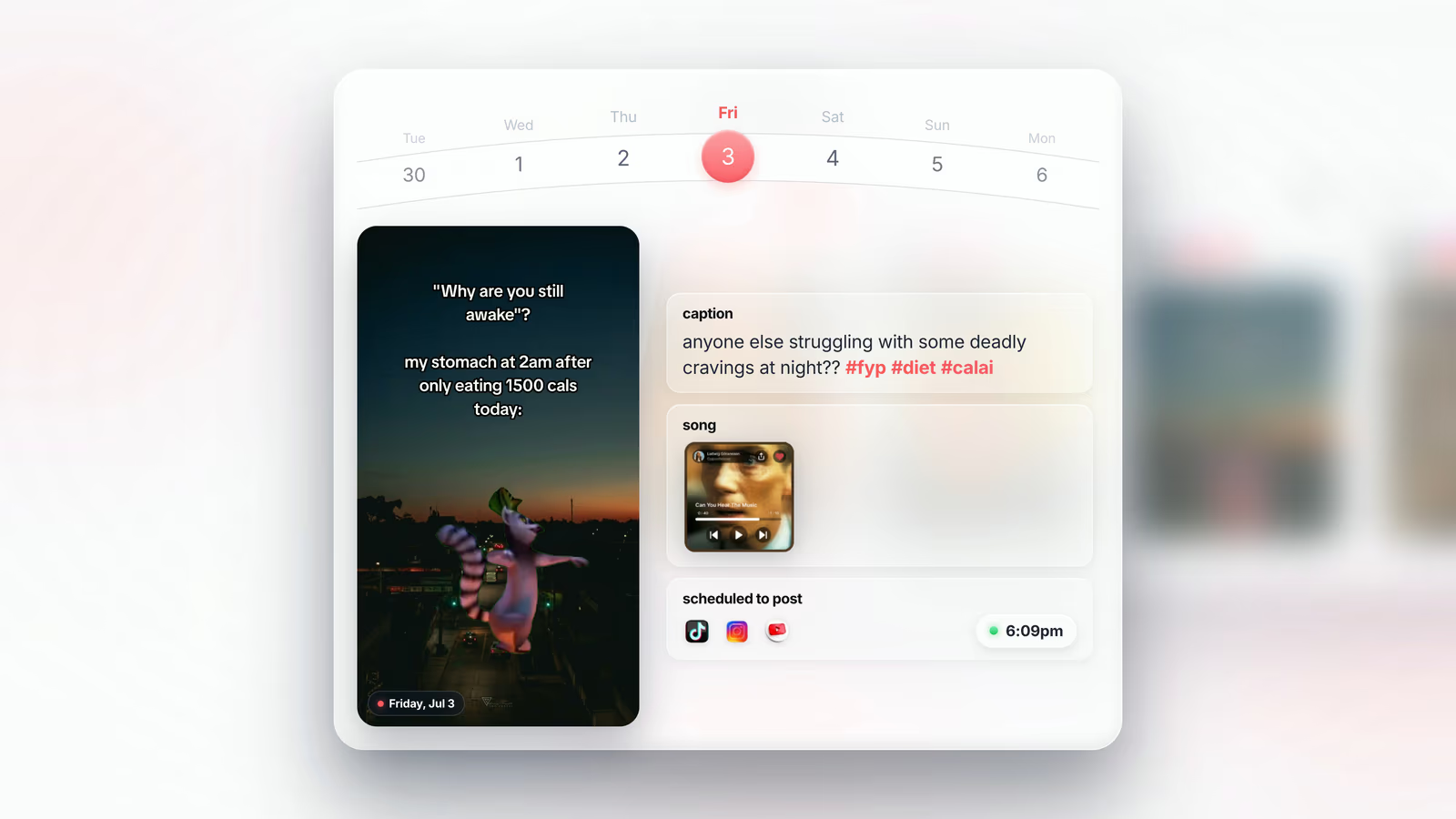
Kling 4.0 Explained: 30-Second AI Video for Marketers in 2026
Kling 4.0 is Kuaishou's new AI video model, officially launched on 15 October 2026, and it generates clips of up to 30 seconds in one pass with up to 10 keyframes and 15 references. Here is what it does, what is live versus coming soon, and how to use it for TikTok, Reels and Shorts.
Read article →
YouTube Shorts Monetization 2026: Requirements and Real Pay
YouTube Shorts monetization in 2026 requires 1,000 subscribers and 10 million Shorts views in 90 days, pays creators 45% of a shared pool, and works out to cents per 1,000 views. Here are the requirements, the real pay, the February 2027 changes, and the better way brands make money from Shorts.
Read article →
TikTok Marketing Agency: What to Expect and Pay in 2026
A TikTok marketing agency plans, makes, posts and reports on your TikTok content for a monthly fee. Here is what a TikTok agency actually does in 2026, what retainers cost, how to vet one, and when a done-for-you content engine beats a traditional agency.
Read article →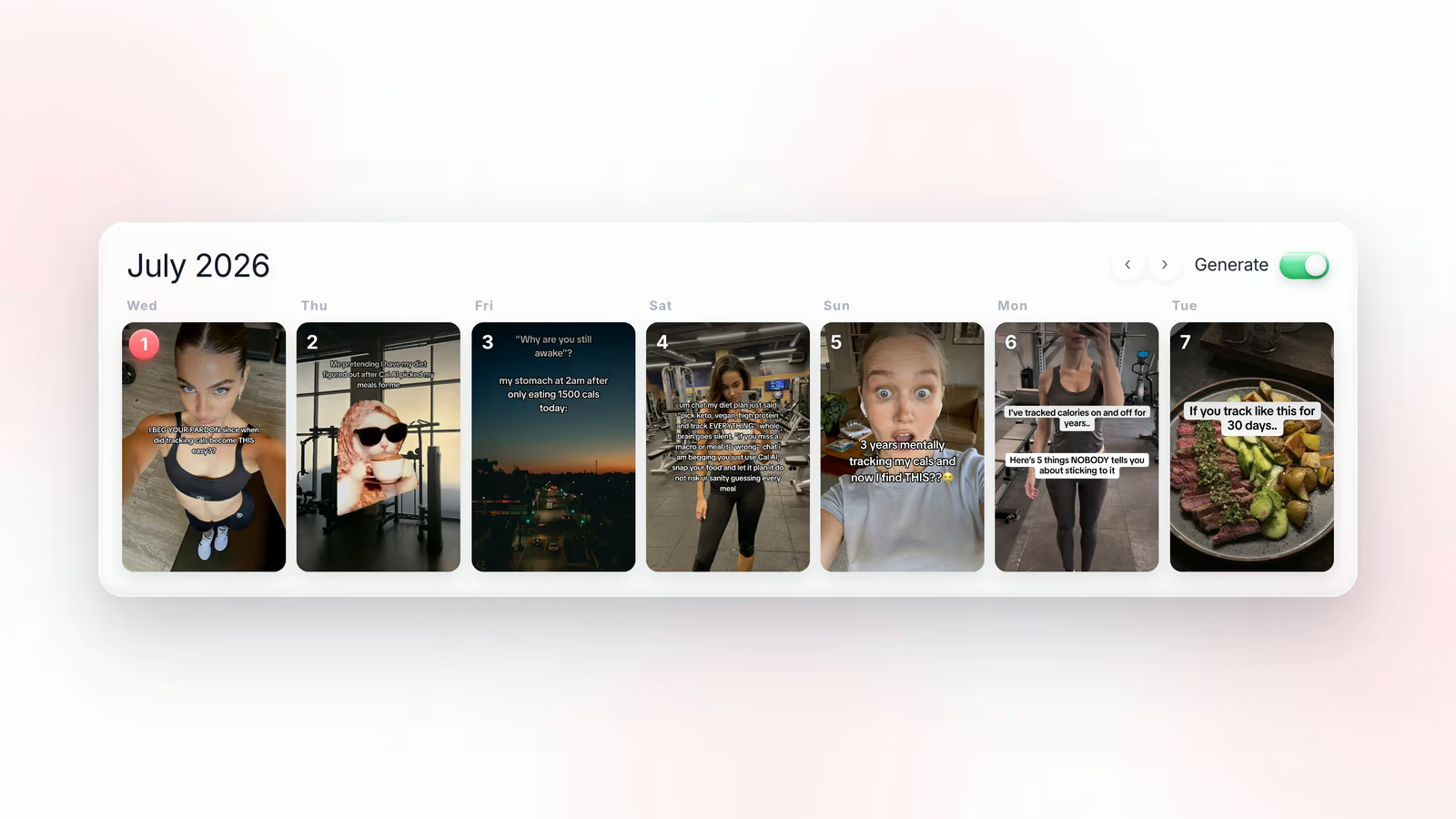
Vidu AI Explained: What Vidu Q4 Means for Marketers in 2026
Vidu AI is ShengShu Technology's AI video generator, and its new flagship, Vidu Q4 Preview, launched on 7 October 2026 with 4K output, native audio and up to 16 second clips. Here is what it does, what it costs, and how to use it for TikTok, Reels and Shorts.
Read article →
TikTok Marketing Strategy 2026: A 7-Step Plan That Works
A TikTok marketing strategy is the plan that decides what your brand posts, how often, in which formats and how you measure it. Here is a 7-step TikTok strategy for 2026 built around volume, hooks and attribution, not one viral video.
Read article →
Content Approval Workflow for Short-Form Video (2026 Guide)
A content approval workflow is the set of steps a post passes through between being made and being published. Here is how to build one for TikTok, Reels and Shorts that takes minutes, not days, and why swipe-style approval beats comment threads.
Read article →
Meta Muse for Small Business: What It Means for Marketing
Meta Muse is Meta's personal AI agent, and on September 29, 2026 Meta launched Muse for Small Business, which connects to Facebook, Instagram, Meta ads and tools like Shopify and Canva. Here is what it does, what it costs, and where it fits in a short-form marketing stack.
Read article →
How to Market Your App in 2026: The Short-Form Playbook
How to market your app in 2026: pick one clear promise, publish short-form video daily on TikTok, Instagram Reels and YouTube Shorts, test hooks at volume, and only pay to boost what already works organically. Here is the full playbook.
Read article →
White Label Social Media Management for Agencies (2026)
White label social media management lets an agency sell content, publishing and reporting under its own brand while a platform does the work. Here is how it works, what to white label first, and why short-form video is the piece that decides your margins in 2026.
Read article →
Gemini Omni Explained: Google's AI Video Model in 2026
Gemini Omni is Google's any-to-any AI model family that turns text, images, video and voice into short videos you can edit by conversation. Here is what Gemini Omni Flash does, what it costs, the 30 September 2026 preview deadline, and what it means for TikTok, Reels and Shorts.
Read article →
AI Advertisement Generator: Make Ads With AI in 2026
An AI advertisement generator turns a product URL, script or brief into finished ad creative without a shoot. Here is how the tools actually work, what Meta and TikTok require you to disclose in 2026, and how to generate enough variations to find a hook that sells.
Read article →
Social Media API: Post to TikTok, Reels and Shorts (2026)
A social media API lets your own code publish, schedule and measure posts instead of a person doing it by hand. Here is what TikTok, Instagram and YouTube actually allow in 2026, the audit and quota rules that trip teams up, and how to cover all three with one integration.
Read article →
TikTok Community Guidelines Update 2026: What Changed
TikTok's Community Guidelines update takes effect on September 24, 2026. Here is what actually changed for creators and brands: a softer penalty for undisclosed commercial content, a new enforcement ladder with optional policy training, wider account bans, and the AI-generated content labeling rules that carry over unchanged.
Read article →
TikTok SEO in 2026: How to Rank in TikTok Search
TikTok SEO is the practice of putting the words people search for into a video's spoken audio, on-screen text, caption and hashtags so TikTok's search engine can rank it. Here is how TikTok search ranks videos in 2026, where to find keywords, where to place them, and how to publish enough keyworded videos to own a query.
Read article →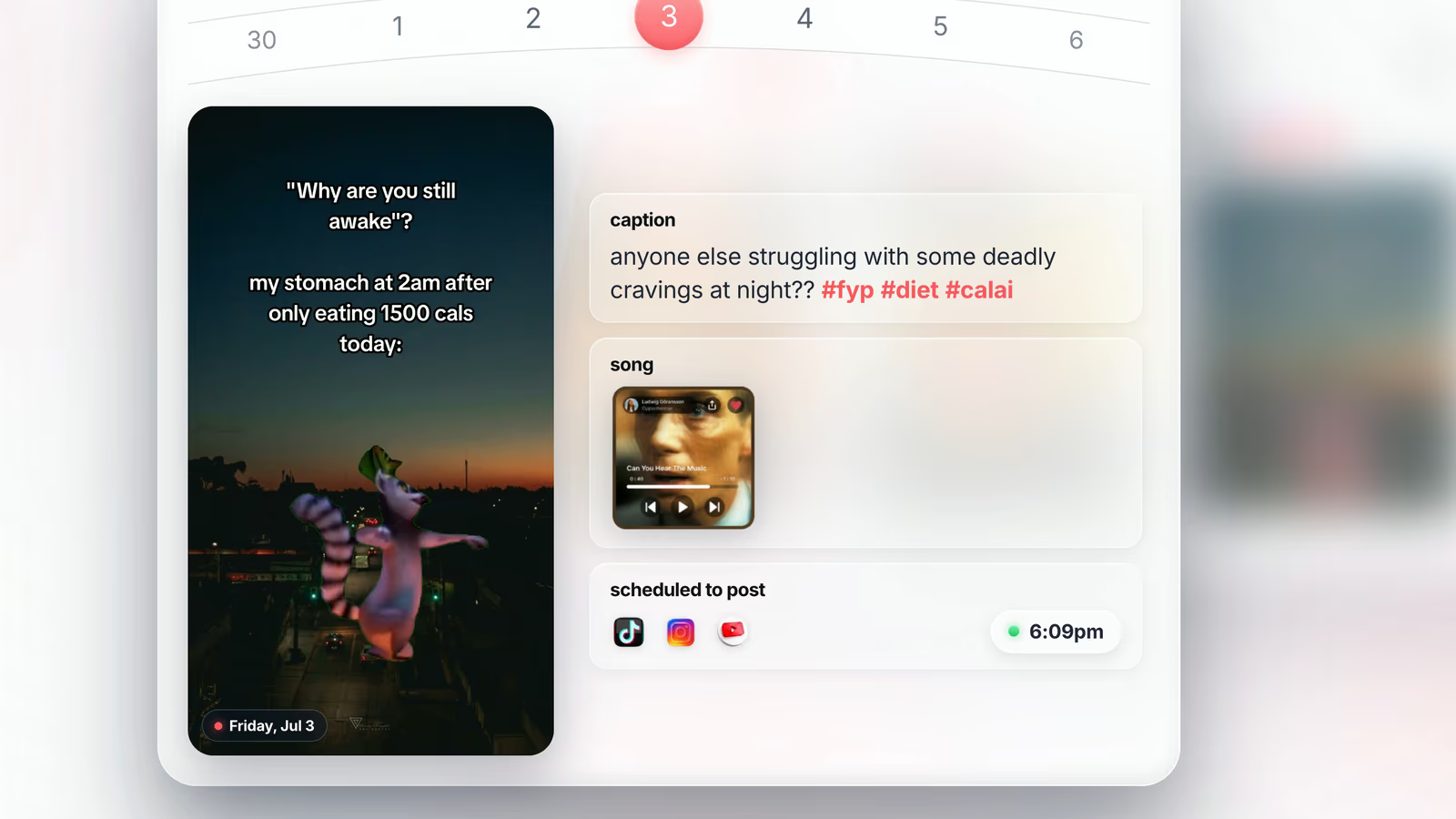
Meme Marketing in 2026: How Brands Use Memes That Convert
Meme marketing is the practice of publishing brand content in the format of an existing meme so it reads as native to the feed rather than as an ad. Here is what it does for a business, which formats work in 2026, how to stay on-brand, and how to make memes at volume without a meme team.
Read article →
GPT Image 2.5 Explained: OpenAI's Flare and Sunburst Models
GPT Image 2.5 is OpenAI's image model released on 8 September 2026, shipping as two API models (Flare for speed, Sunburst for editing precision) with sharper detail, better reference fidelity and generation up to 50% faster than Images 2.0. Here is what changed, what it costs, and how short-form marketers should use it.
Read article →
How to Become a UGC Creator in 2026 (No Followers Needed)
How to become a UGC creator with zero followers: pick a niche, film 3 to 5 spec videos, build a one-page portfolio, set a rate card, and pitch brands or list on marketplaces. The 30-day path, what brands pay in 2026, and how to do it without showing your face.
Read article →
UGC Creator Jobs: Where to Find Them in 2026 (Rates and Red Flags)
Where UGC creator jobs actually come from in 2026: marketplaces, direct brand pitches, job boards and referrals, with the rates brands pay, how to land work with no experience or without showing your face, and the red flags that separate real briefs from free labour.
Read article →
How Often Should You Post on TikTok in 2026?
How often should you post on TikTok? TikTok itself says 1 to 4 times a day, the 2026 benchmark data says brands actually post about 2 to 6 times a week, and the right number for you depends on account size and how much you can produce without quality dropping. Here is the schedule by stage.
Read article →
TikTok Hooks: 40 Examples That Stop the Scroll in 2026
TikTok hooks are the first one to three seconds of a video, and they decide whether anyone watches the rest. Here are 40 copy-and-adapt hook examples sorted by type, the formula behind them, and how to test which hook actually wins for your product.
Read article →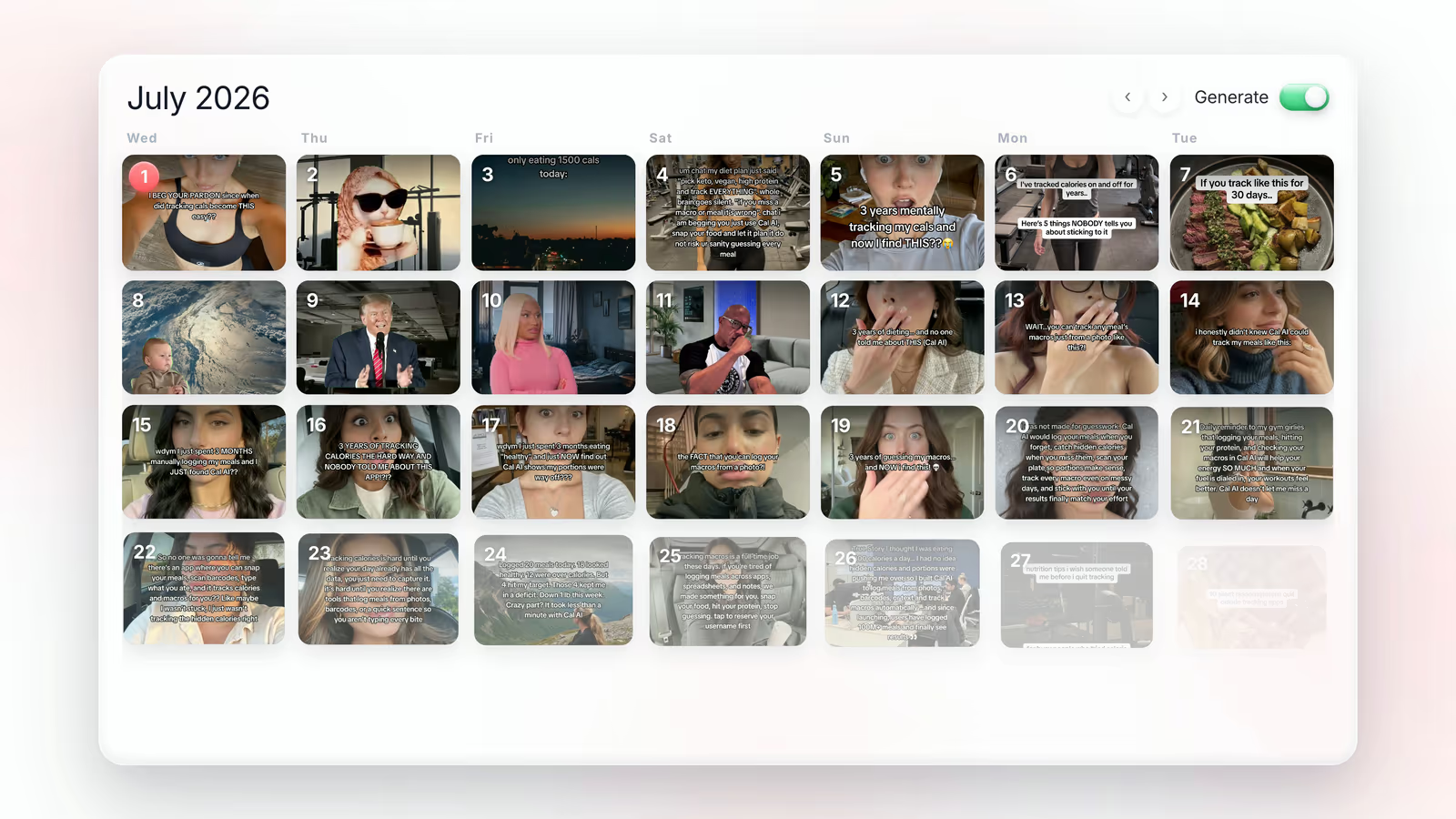
Best AI Tools for Short Form Content in 2026, Sorted by Job
The best AI tools for short form content in 2026 are the ones that finish a specific job: generating vertical video from a URL, clipping long footage, captioning, scheduling, or measuring. Here are the six jobs, the tools that finish each one, and the one stack that covers all six.
Read article →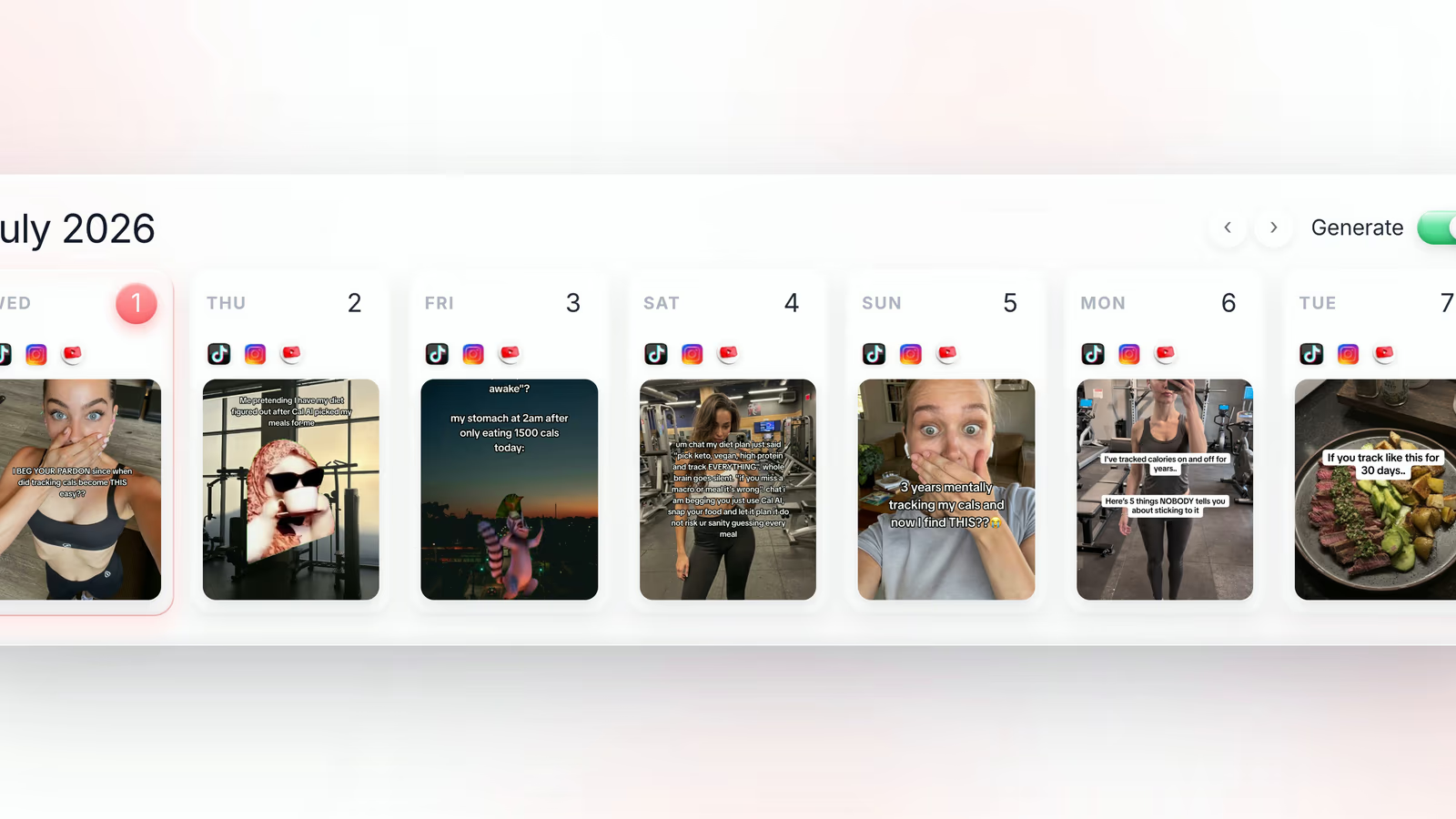
Batch Content Creation: A Month of Short-Form Posts in a Day
Batch content creation means making a month of short-form posts in one session instead of one video a day. Here is the four-stage batching workflow, how much to overshoot, and how to approve a whole batch in minutes.
Read article →
Sora Alternatives in 2026: What to Use After the Shutdown
Sora alternatives are now a deadline, not a preference: OpenAI removes the Sora 2 API on 24 September 2026 and names no replacement. Here are the four models worth migrating to and how to move without losing your posting cadence.
Read article →
AI Influencer: Examples, Costs and How to Make One in 2026
An AI influencer is a computer-generated social media persona that posts and endorses products with no real person on camera. What they are, the real earnings behind Lil Miquela and Aitana Lopez, what one costs to run, the US and EU disclosure rules that now apply, and how to build one that actually posts.
Read article →
Short-Form Video Benchmarks 2026: TikTok vs Reels vs Shorts
The 2026 short-form video benchmarks that matter, from published large-sample studies: average engagement rate on TikTok, Instagram Reels and YouTube Shorts, the best-performing video lengths, how carousels compare with video, and what posting frequency does to views. Every number sourced.
Read article →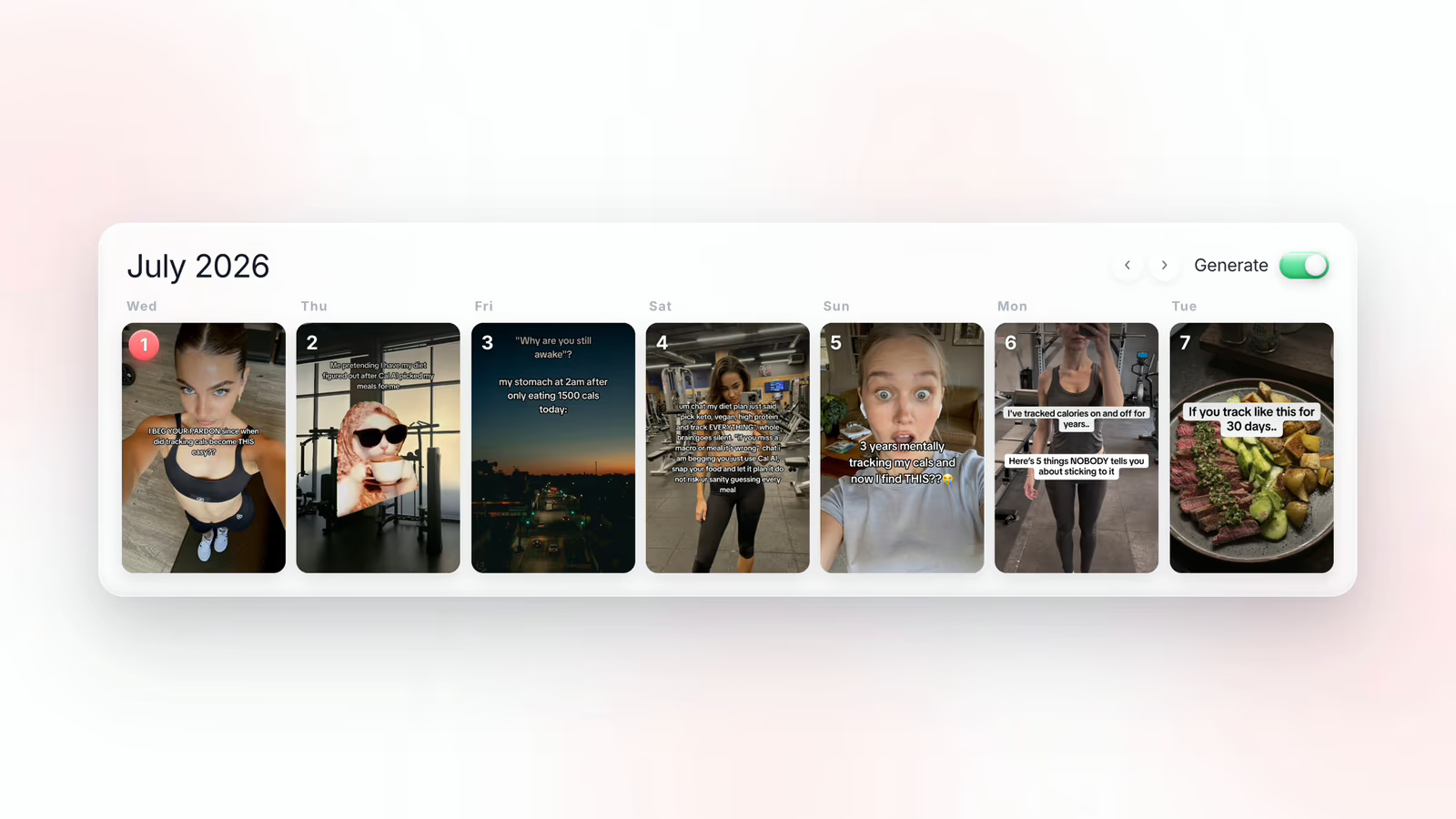
What Is UGC? Meaning, Examples and the 2026 Data
UGC, user-generated content, is content made by customers and creators rather than the brand. What it means, the types, why it converts (with the published research), what UGC creators charge, and how AI UGC changed the category in 2026.
Read article →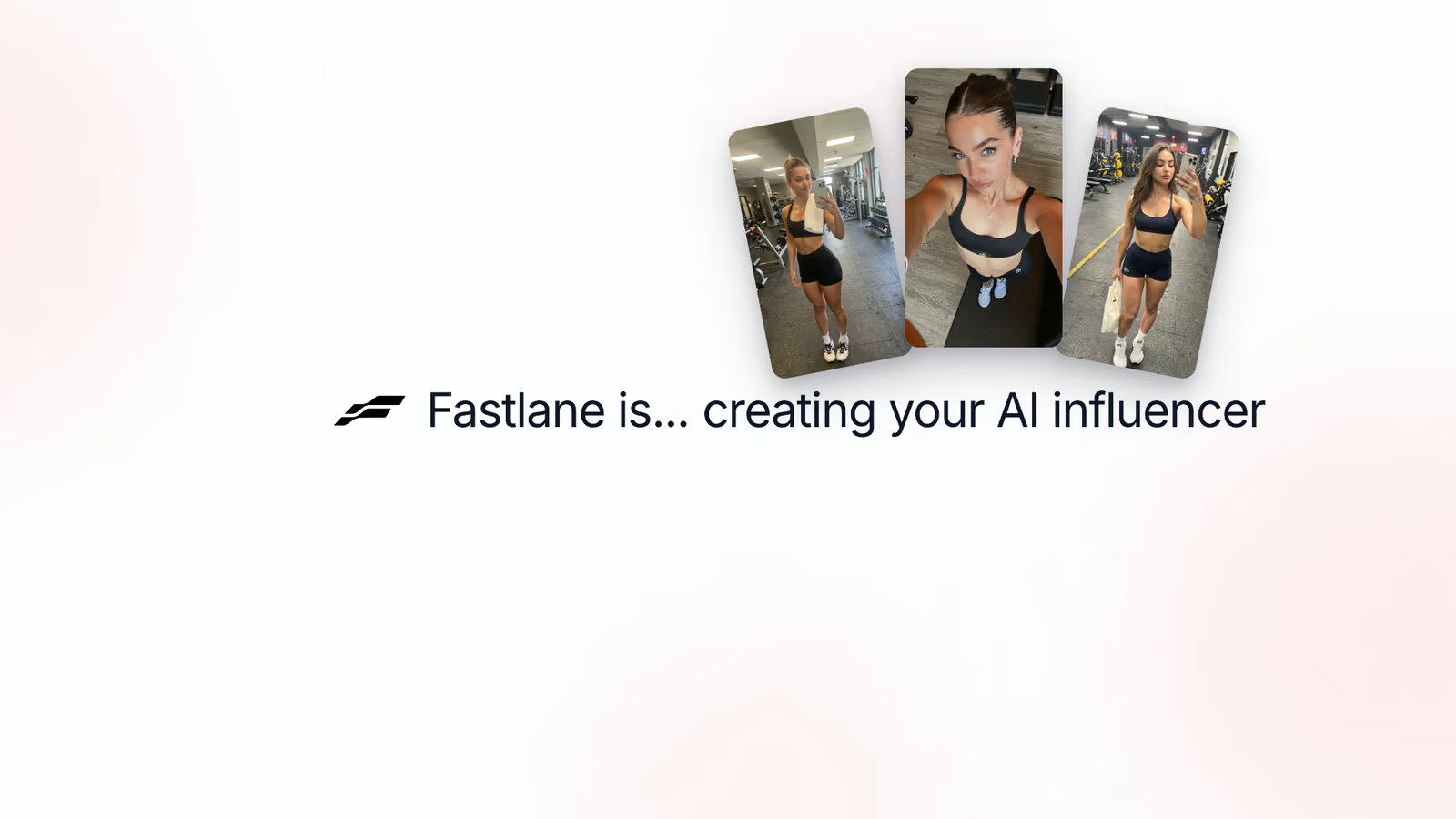
UGC Creator Portfolio: How to Build One That Gets You Hired
A UGC creator portfolio is 3 to 5 short videos that look like the ad a brand is about to run. What to film, how to structure it, where to host it, what rates to show, and the mistakes that get portfolios ignored.
Read article →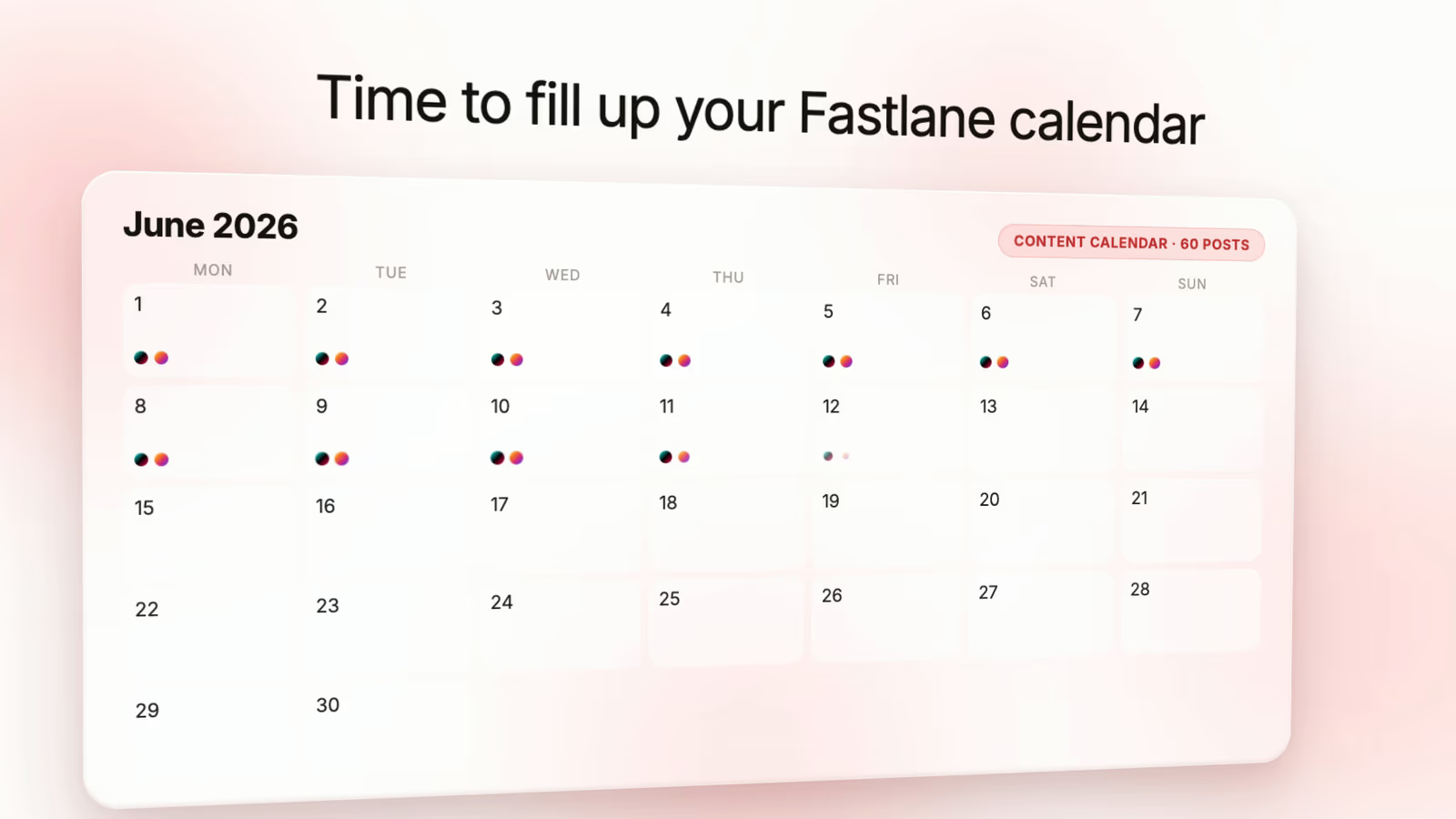
UGC Creator: What They Do, Charge and How to Become One (2026)
A UGC creator makes customer-style content that brands post as their own. What the job is, how it differs from influencing, what creators charge in 2026, how to become one, how brands brief them, and where AI UGC creators now fit.
Read article →
Social Media Attribution: Track Signups Per Post (2026)
Social media attribution connects a signup or sale back to the exact post that caused it. Here is why TikTok, Reels, and Shorts traffic shows up as "direct", what you can realistically measure per post, and how to close the loop without building a data team.
Read article →
Instagram First Draft Explained: Auto-Edited Reels (2026)
Instagram First Draft is a new Reels tool that turns the clips you select into a rough cut automatically, trimming pauses and silences in under 10 seconds. Here is what it does, how to use it, who has it, and what it changes for brands posting short-form.
Read article →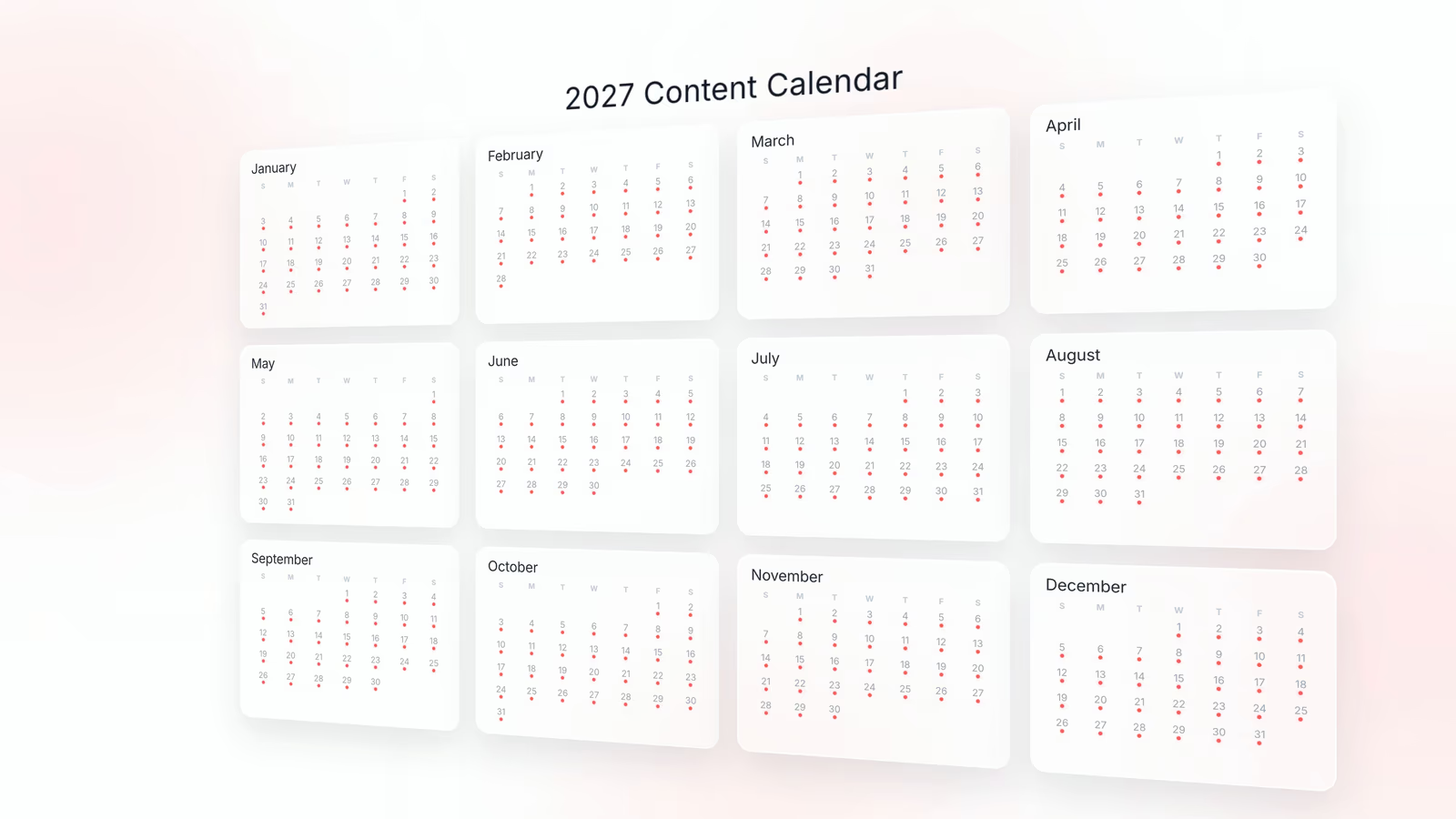
Best Time to Post on TikTok in 2026 (What Data Shows)
The best time to post on TikTok in 2026 is weekday afternoons and evenings in your audience's local time, but the two biggest public studies disagree on the exact hour. Here is what each one found, why they conflict, and how to find your own window.
Read article →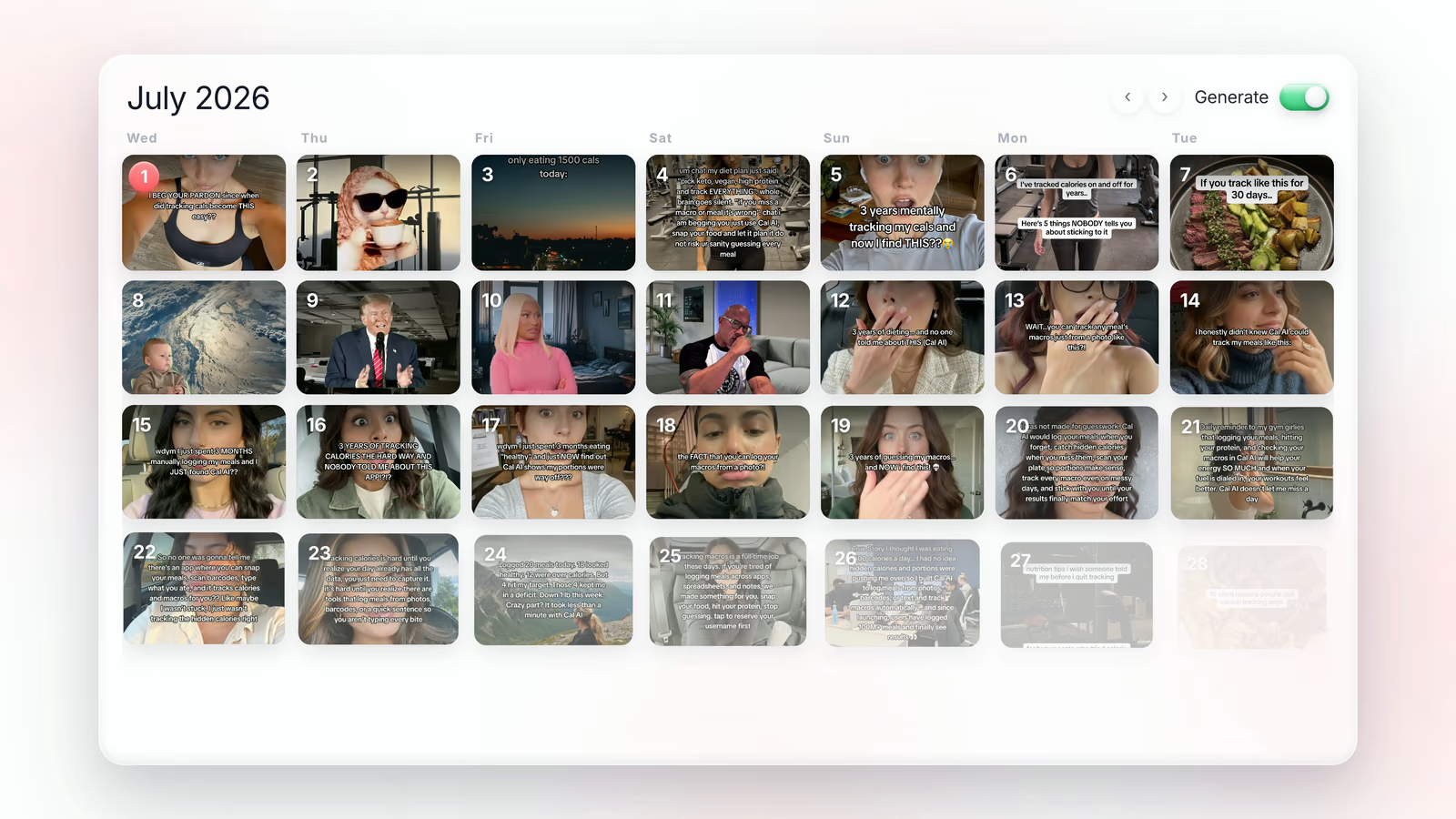
How to Automate TikTok Posting With AI (2026 Guide)
Automating TikTok posting with AI means running one pipeline that generates the video, holds it for approval, and publishes it through TikTok's official Content Posting API. Here is what each stage does, what it costs to build yourself, and where the account-safety line actually sits.
Read article →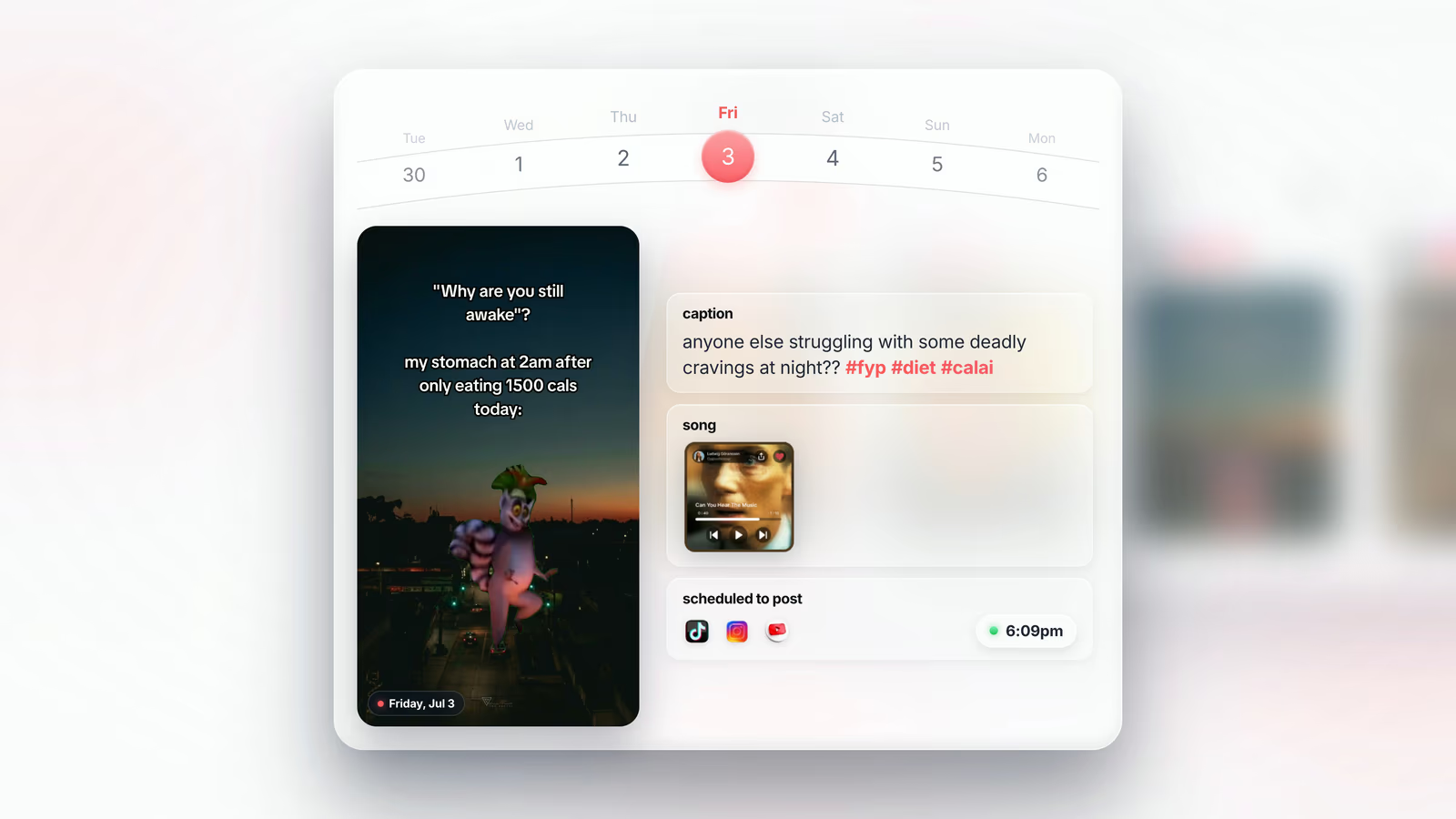
How to Post to TikTok, Instagram and YouTube at Once (2026)
Posting to TikTok, Instagram Reels and YouTube Shorts at the same time means uploading the same vertical video natively to all three platforms on one schedule. Here is how native multi-platform publishing works, and why the share button is the wrong way to do it.
Read article →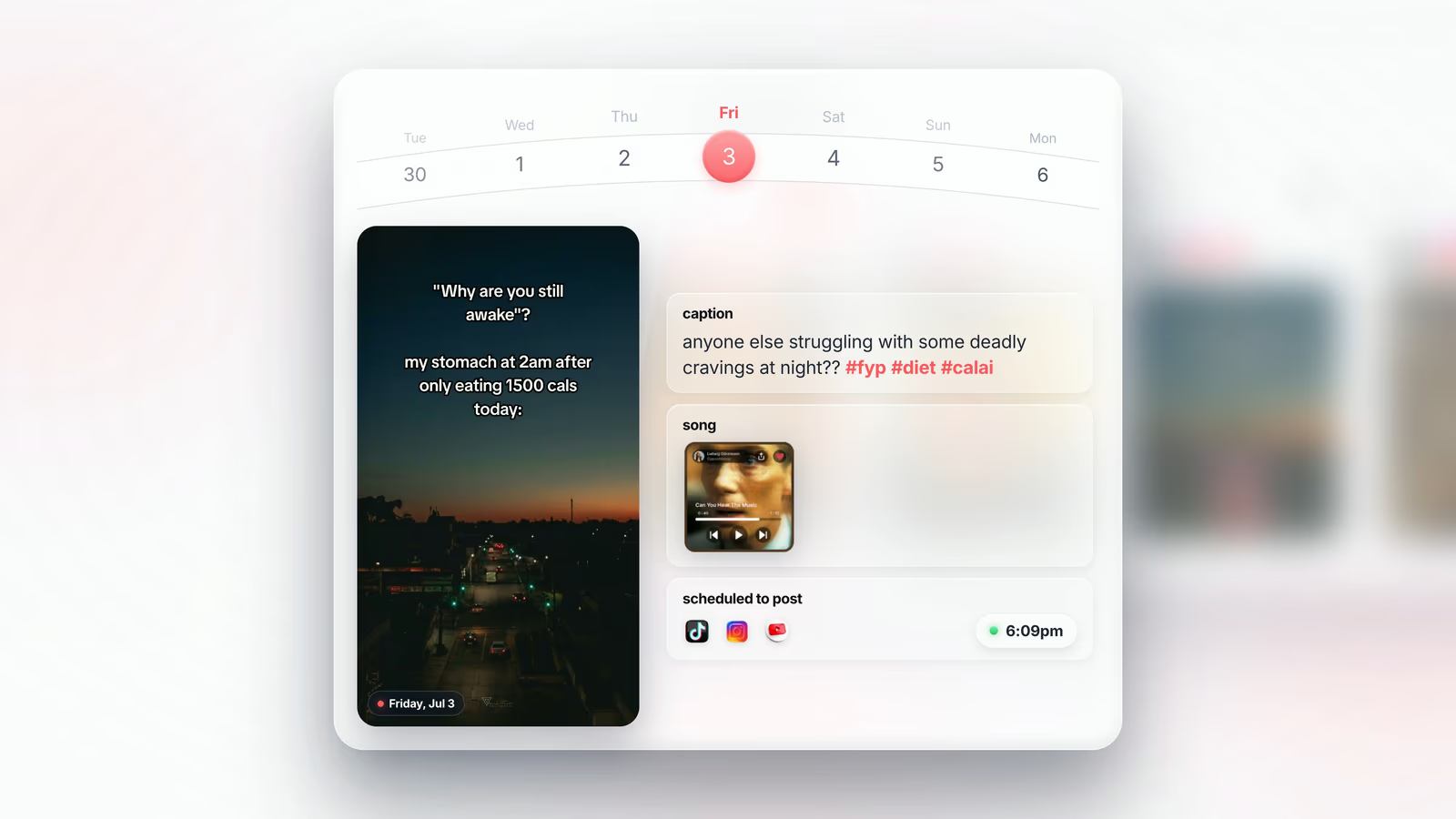
AutoShorts.ai Alternatives: Which Job Each One Finishes
AutoShorts.ai alternatives are easier to choose once you stop reading rankings and ask which of six jobs each tool actually finishes. Here are the six jobs, the tools that finish each one, and what breaks when you switch.
Read article →
Do You Have to Label AI-Generated Content? 2026 Rules
AI generated content labeling rules moved twice this month: the EU AI Act transparency obligations took effect on 2 August 2026, and Google made its visible watermark optional on 14 August. Here is what you actually have to disclose on TikTok, Instagram Reels, and YouTube Shorts.
Read article →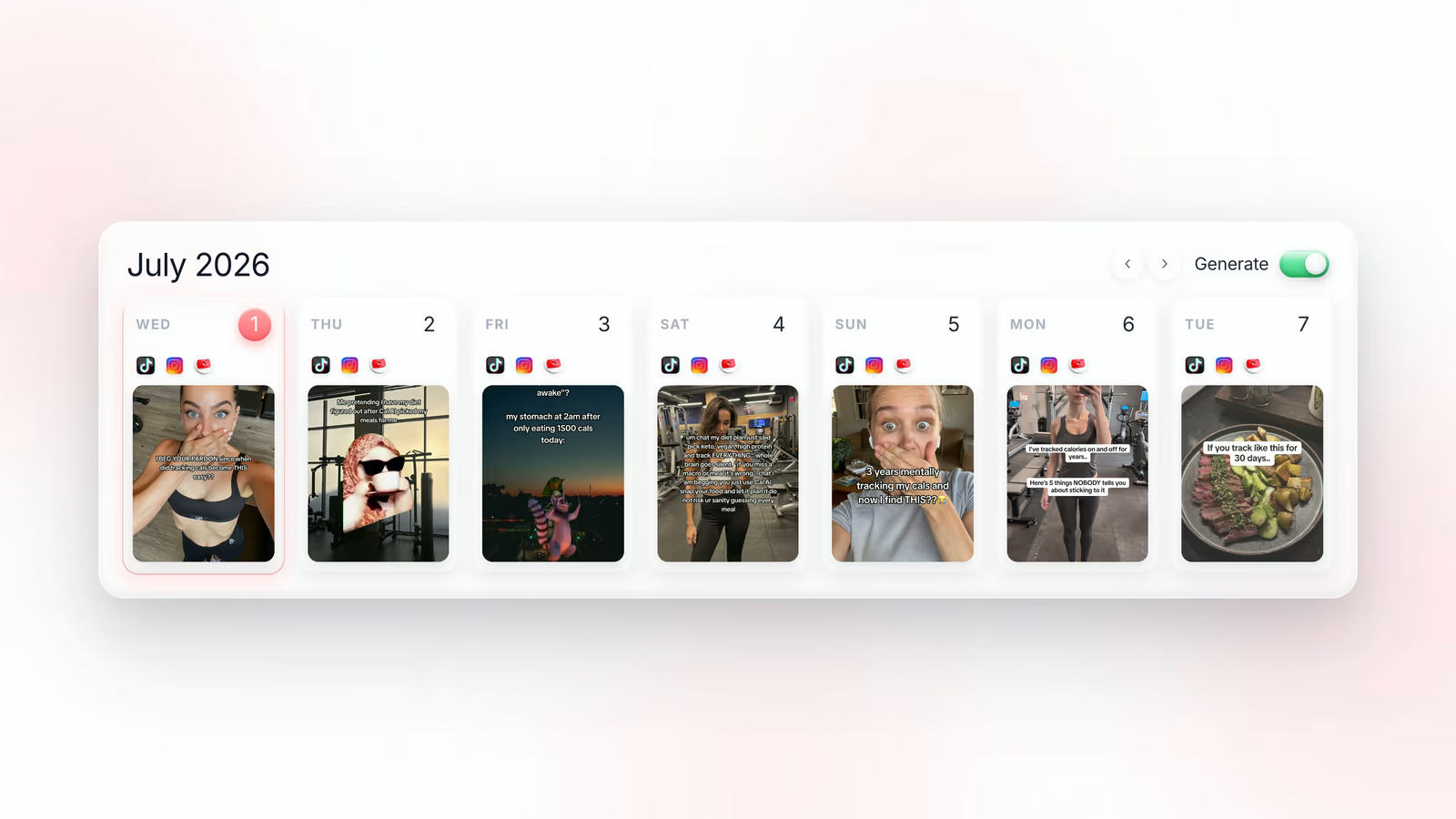
AI Tools to Create TikTok Videos Automatically in 2026
An AI tool to create TikTok videos automatically turns a topic or a URL into finished vertical video without you filming or editing. Here is how the five categories differ, which tools sit in each one, and which ones also post the result for you.
Read article →
Turn a Website Into TikTok Content With AI: 2026 Guide
Turning a website into TikTok content with AI means feeding a URL to a tool that reads the page, writes hooks and scripts from what it finds, and renders vertical video. Here is the full workflow, and the step most tools skip.
Read article →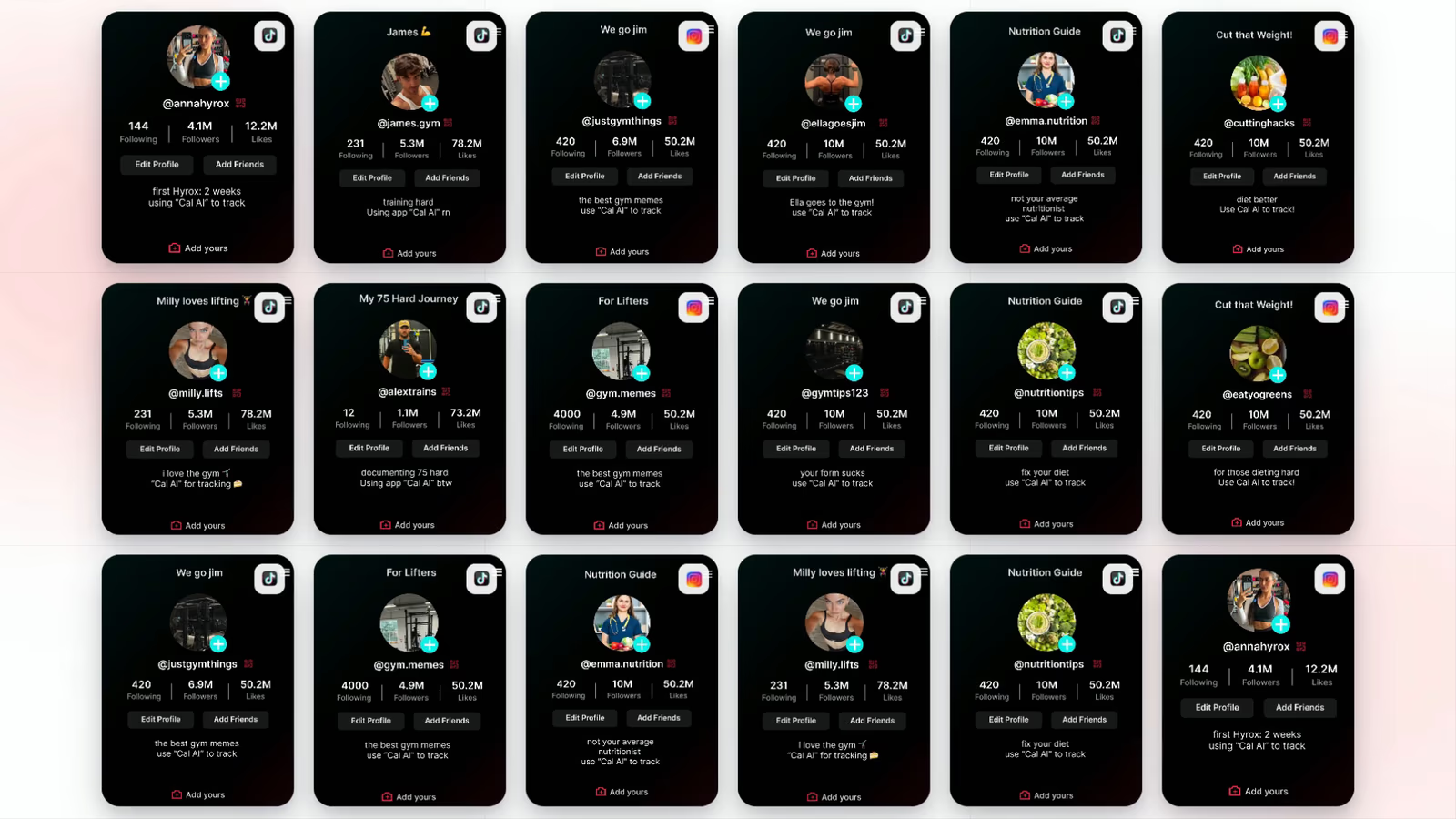
Why Is My TikTok Not Getting Views? 9 Fixes for 2026
Your TikTok is not getting views because of retention, eligibility, or account health, not follower count. Here is how to diagnose which one is hurting you and fix it.
Read article →
Arcads Alternatives: What Actually Differs Under the Hood
Arcads alternatives all run the same seven-stage pipeline, from ingest through to distribution, and they differ at specific stages rather than as whole products. Here is the pipeline and where each class of tool breaks.
Read article →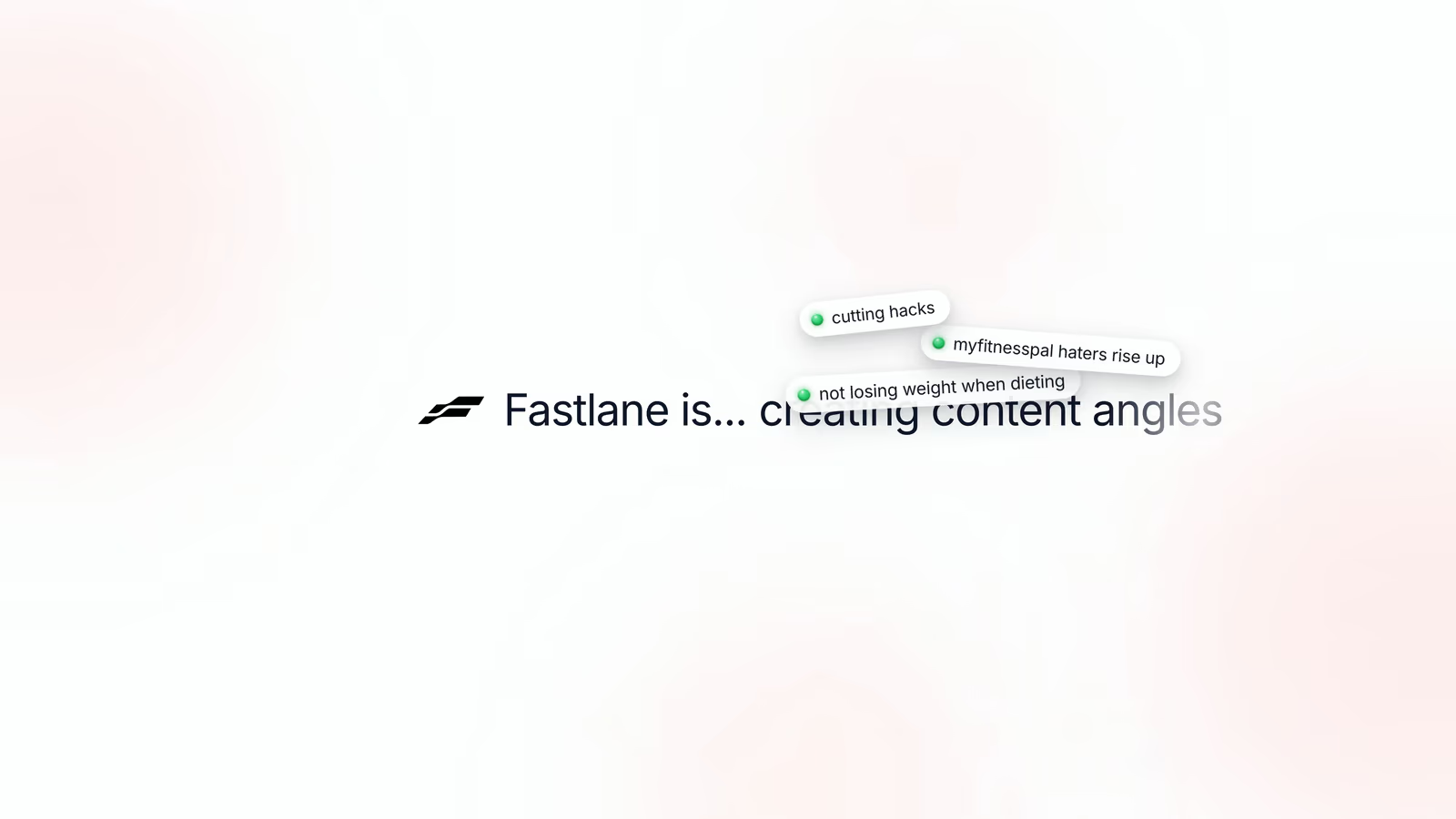
How to Use TikTok Trends for Your Business in 2026
How to use TikTok trends for your business without chasing sounds you are not licensed to use: find the trend early, remix the format instead of copying it, and ship it while the trend is still alive.
Read article →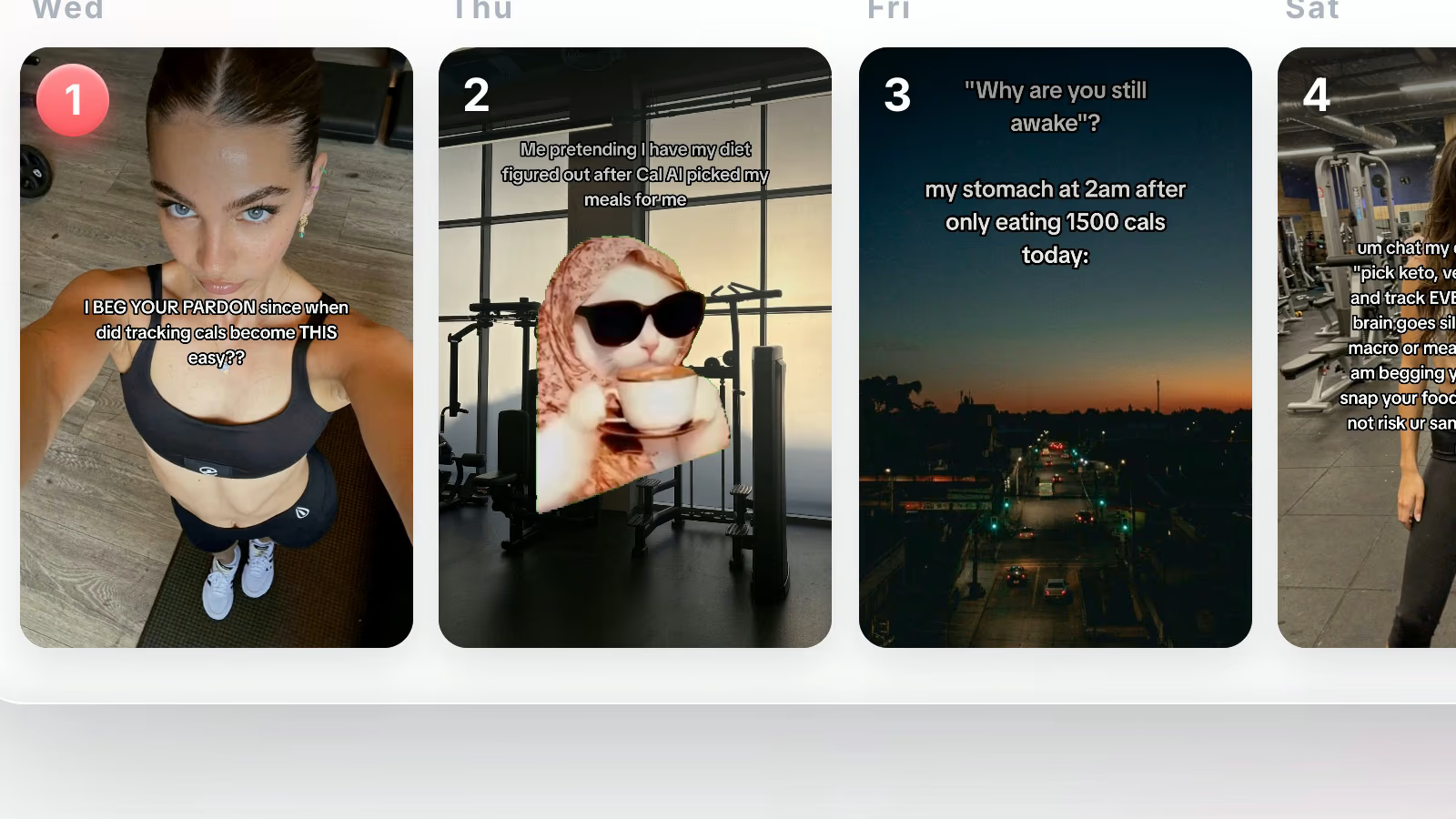
The YouTube Shorts Algorithm in 2026: What Works Now
The YouTube Shorts algorithm in 2026 ranks on swipe-away rate, completion, and rewatches, and it now runs completely separately from long-form. Here is how it works and how to grow on Shorts.
Read article →
How to Make a TikTok Slideshow in 2026 (Photo Mode)
A TikTok slideshow is a swipeable Photo Mode post of up to 35 images. Here is how to make one, the sizes to export, why swipes beat passive views, and how to run slideshows on Instagram too.
Read article →
FLUX 3 Video Explained: 20-Second AI Clips With Audio
FLUX 3 Video is Black Forest Labs' video model, generally available since August 4, 2026. Here are the specs, the per-second pricing, the benchmark claims, and what 20 second clips with native audio change for short-form marketing.
Read article →
X Original Content Rewards Program: Eligibility, Payouts, Dates
X replaced Creator Revenue Sharing with the Original Content Rewards Program on August 7, 2026. Here are the dates, the eligibility thresholds, what counts as a qualified impression, and what the shift to paying for originality means for brands.
Read article →
How to Make UGC Videos Without Showing Your Face (2026)
You can make UGC videos without showing your face: hands-only demos, POV shots, screen recordings, voiceover b-roll, slideshows and AI UGC characters all count as UGC and all get paid. The seven faceless formats, the exact setup, a six-step process, the tool stack, what creators charge, and the AI labelling rules per platform.
Read article →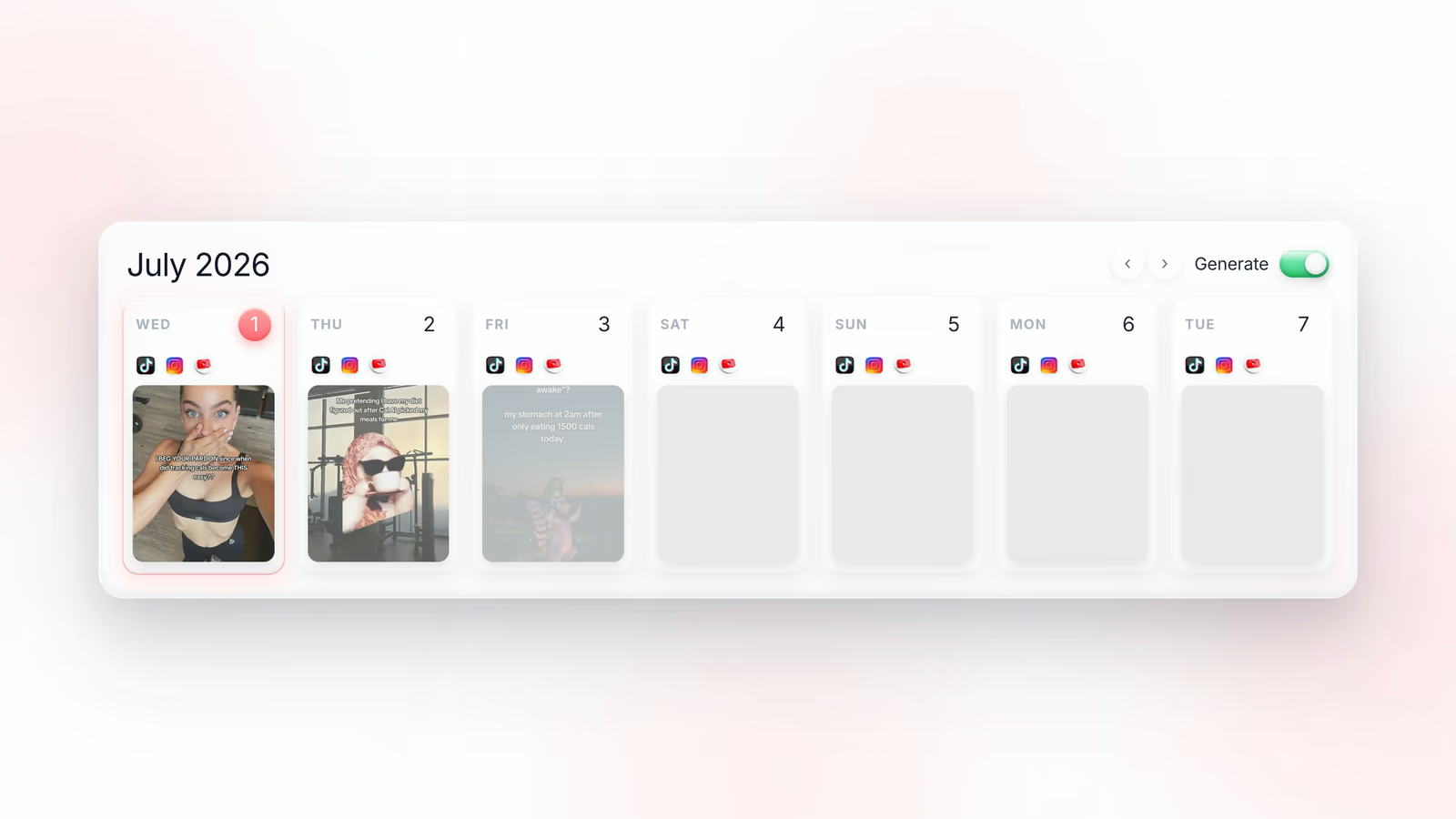
How to Schedule TikTok Posts in Advance (2026 Guide)
You can schedule TikTok posts in advance up to 10 days out using TikTok Studio on desktop, with a Creator or Business account. Here is how to do it, what the native limits are, and how to queue TikTok, Reels, and Shorts weeks ahead from one calendar.
Read article →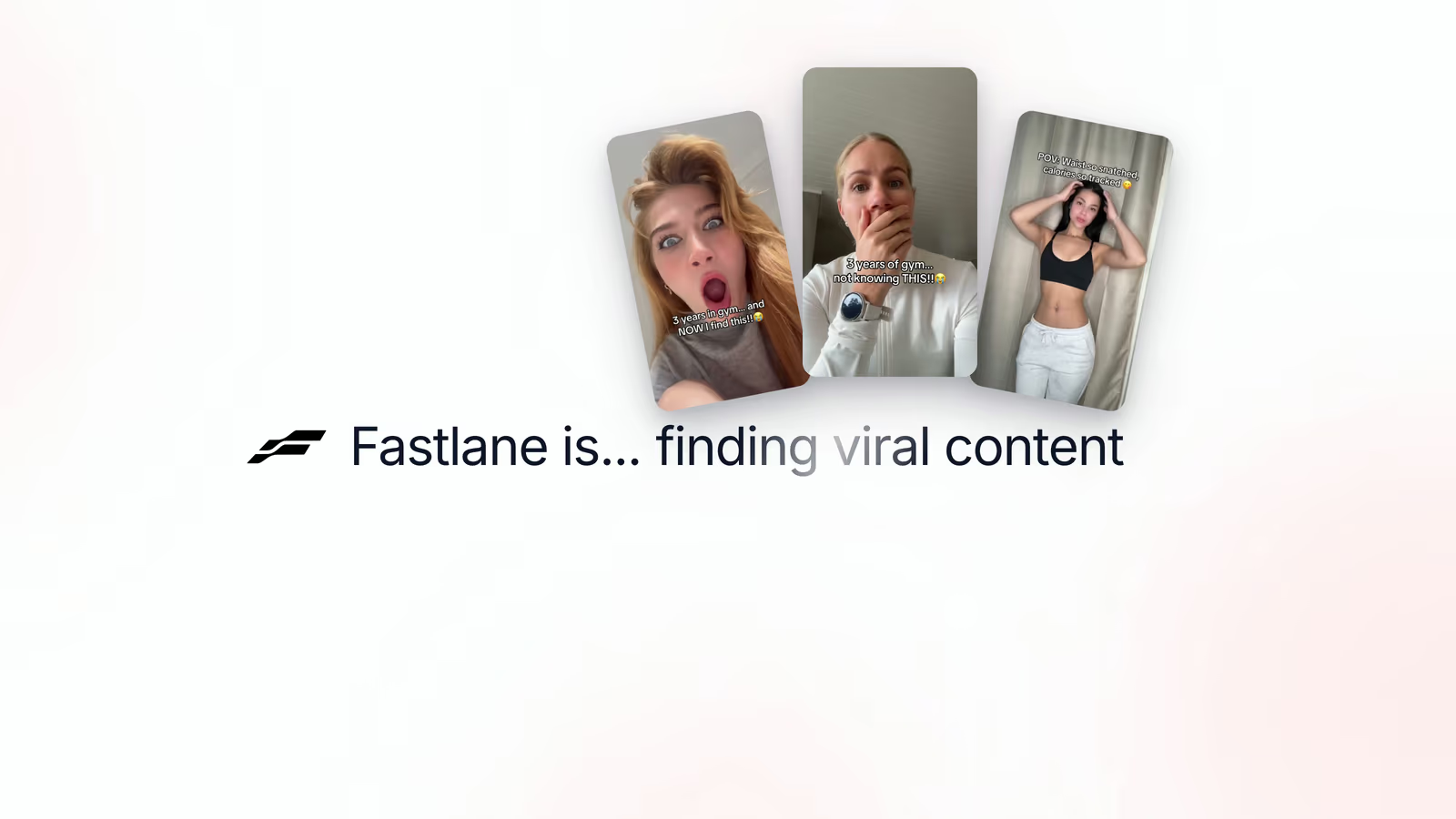
MiniMax H3: Release Date, Specs, and 2K Video With Native Audio
MiniMax H3 is an omni-modal AI video model released on 31 July 2026 that generates up to 15 seconds of 2K video with native stereo audio from text, image, video, and audio inputs. Here is what it does, what it costs, and what it changes for short-form marketing.
Read article →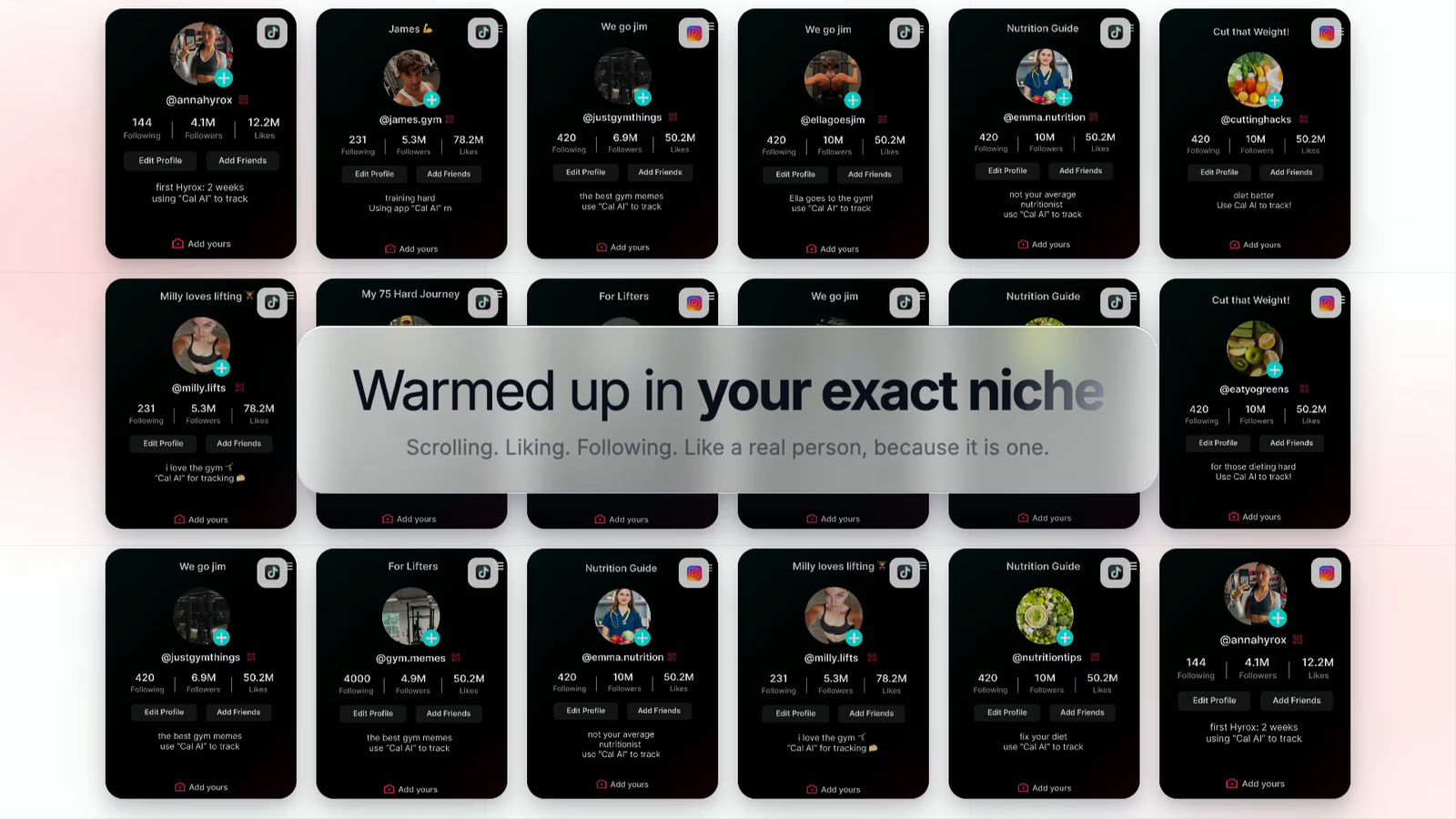
Multiple TikTok and Instagram Accounts for UGC Creators
UGC creators can keep six TikTok accounts and five Instagram accounts signed in on one phone, but stacking client accounts on your personal device starts every one of them cold and in the wrong niche. Here is how to run an account per client without buying more phones.
Read article →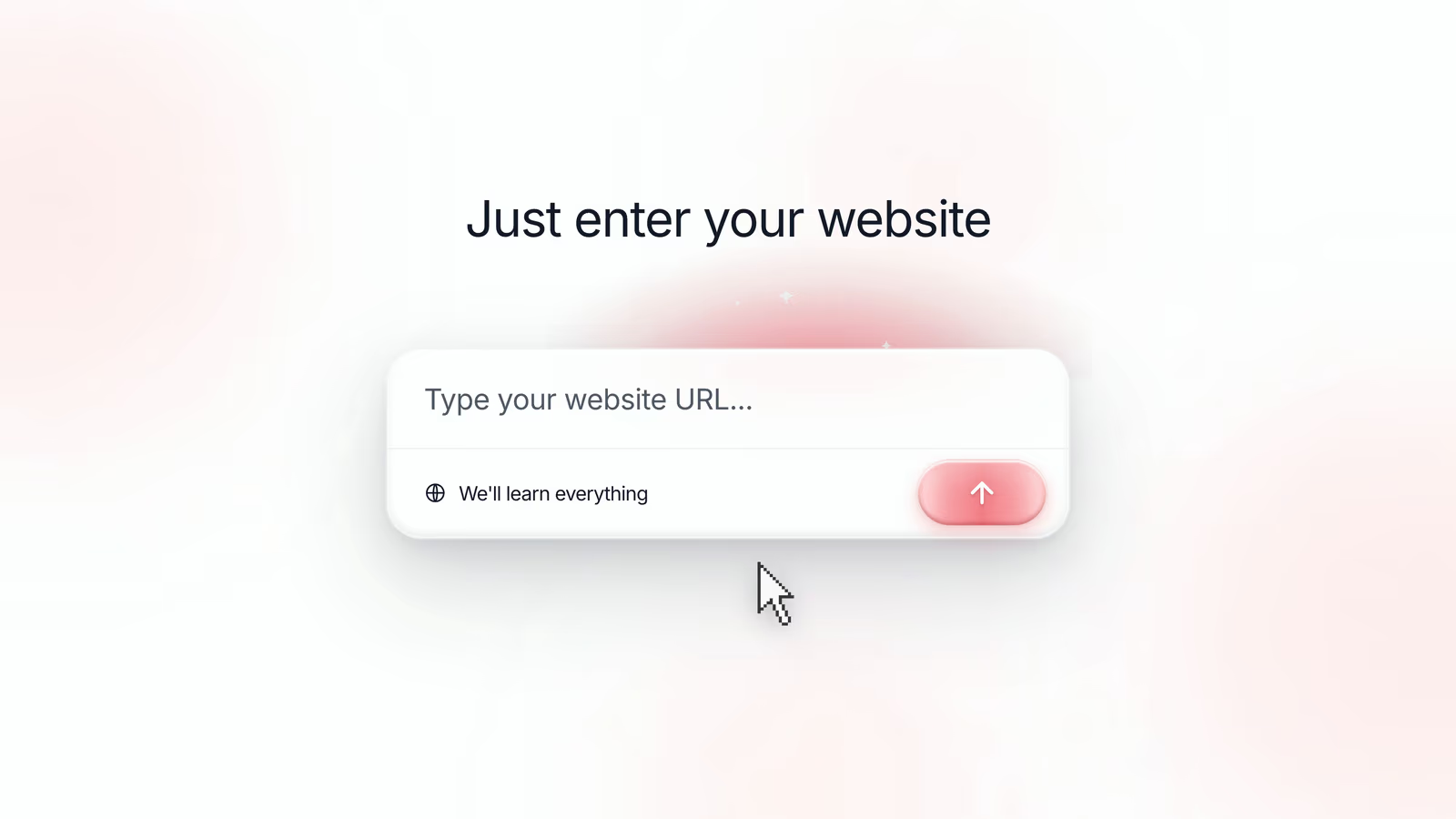
Seedance 2.5 Explained: ByteDance's 30-Second AI Video Model
Seedance 2.5 is ByteDance's AI video model that generates a native 30 second clip in one pass, accepts up to 50 references, and lets you edit one region without re-rolling the shot. Updated October 2026 with real per-second pricing, access routes, and what it means for short-form marketing.
Read article →
How Much Do UGC Creators Charge in 2026?
UGC creators charge roughly $150 to $500 per video in 2026, with the median near $175, the average close to $200, beginners from $50, and top performers past $1,000. Here is the full breakdown of rates, platform differences, hidden add-ons, retainers, and cheaper ways to get volume.
Read article →
The Instagram Reels Algorithm in 2026: What Changed
The Instagram Reels algorithm changed in 2026: skip rate is now a ranking signal, shares and saves outweigh likes, watch completion is king, and reposted or watermarked video gets suppressed. Here is what changed and how to adapt.
Read article →
Best AI UGC Video Generator in 2026: How to Choose One
The best AI UGC video generator in 2026 is the one that finishes your job, not the one ranked first. Here is how to test the shortlist yourself in an afternoon, what to check frame by frame, and what daily posting actually costs.
Read article →
The 5 Best Ways to Buy Warmed TikTok and Instagram Accounts in 2026
Looking to buy warmed TikTok or Instagram accounts? We rank the five real options, from human-warmed accounts you fully own to aged-account marketplaces, phone farms, and VPN setups, by safety, quality, and ban risk.
Read article →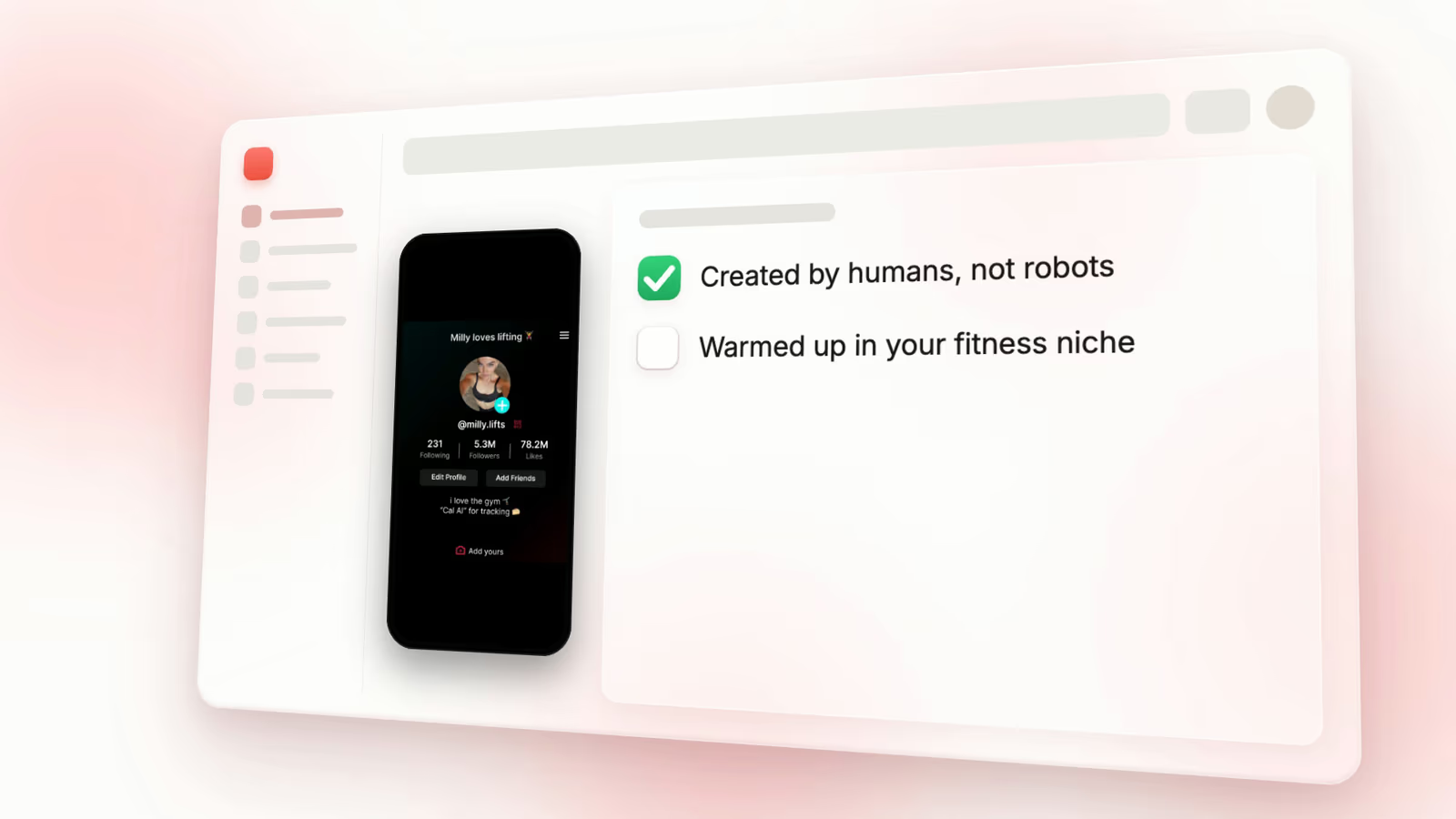
Buy Warmed TikTok and Instagram Accounts, Warmed by Real Humans
Fastlane warmed accounts are created from scratch by real humans in your target country, warmed for 5 days in your niche with keywords you choose, and handed over with full credentials. No bots, no VPNs, no fake SIMs.
Read article →
Seed Audio 1.0: ByteDance's All-in-One AI Audio Model
Seed Audio 1.0 is ByteDance's new AI model that generates multi-character dialogue, sound effects, and music in a single pass. Here is what it does, how to prompt it, what it costs, and where it fits in AI video.
Read article →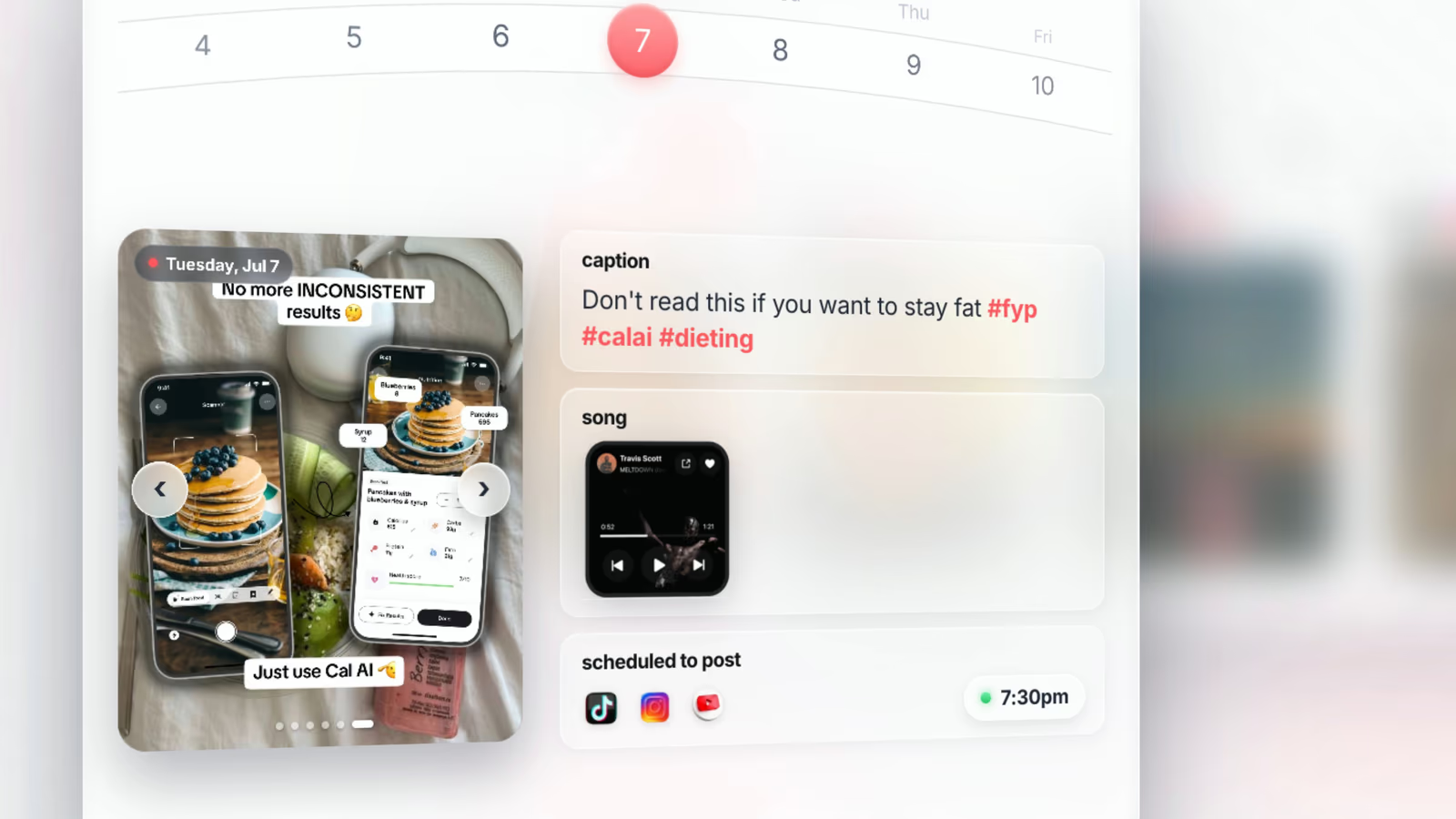
How to Create Viral Short-Form Content for Your Product in 2026
A practical, step-by-step guide to creating viral short-form video content for your startup or product: find trends, generate AI UGC, write scroll-stopping hooks, and schedule a month of TikToks, Reels, and YouTube Shorts in minutes.
Read article →