
UGC Creator Portfolio: How to Build One That Gets You Hired
A UGC creator portfolio is 3 to 5 short videos that look like the ad a brand is about to run. What to film, how to structure it, where to host it, what rates to show, and the mistakes that get portfolios ignored.
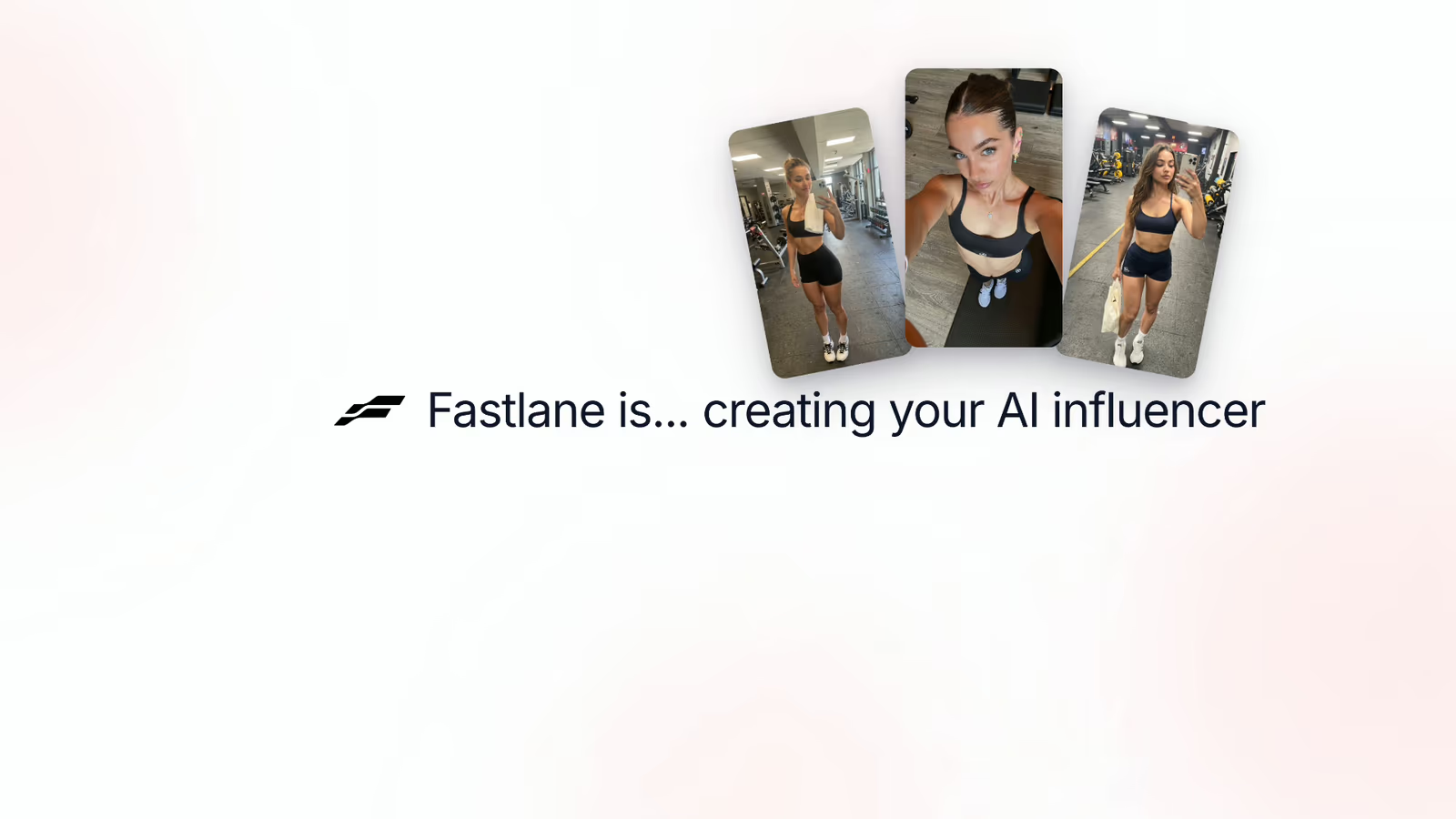
Key takeaways
- A UGC creator portfolio is a one-tap page with 3 to 5 vertical spec videos in one niche, a short bio and a rate card, not a feed of personal content.
- Brands hire from the first video, so lead with the strongest hook and the format they buy most: a 15 to 45 second testimonial or problem-solution demo.
- Spec videos filmed for products you already own are the standard way to build a portfolio with no clients yet.
- A rate card belongs on the portfolio: base price per video, a separate line for usage rights, and a bundle discount, never a price per follower.
- Fastlane lets brands generate AI UGC videos from a website URL with 1,000+ characters, which is why human portfolios now need a specific niche and a real face to stand out.
A UGC creator portfolio is the page a brand opens to decide whether to hire you. It is not your TikTok feed and it is not a reel of your personality. It is three to five short vertical videos that look exactly like the ad the brand is about to run, plus a bio, a rate card and a way to reach you. Brands decide inside the first video, so the portfolio is really a hook test with you as the product.
What a UGC creator portfolio is for
UGC creators are paid for content, not for reach, so a brand looking at a portfolio is asking one question: can this person make the video I need, in the style my audience trusts, without me directing every second? The portfolio answers it by showing finished work in the brand's format. Everything else on the page exists to remove friction: what niche you cover, what you charge, and how to book you.
The five things every UGC portfolio needs
- Three to five spec videos, vertical, captioned, 15 to 45 seconds, in one niche.
- A two-line bio that names the niche and the formats you make: testimonials, unboxings, demos, faceless voiceovers.
- A rate card: base price per video, a separate line for usage rights, a discount for bundles of four or more.
- Contact details a brand can use in one tap: email and a booking or DM link.
- Client results once you have them: one line each, with the brand's permission, never invented.
How to film spec videos with no clients yet
Spec videos are unpaid examples made for products you already own or use. They are the accepted way into the industry, and brands know it. Pick products in the niche you want to be hired for, then film the three formats brands buy most: a first-person testimonial that opens on the problem, an unboxing that shows the product in the first two seconds, and a problem-solution demo where the product is in use by the fifth second. Natural light, a phone, a clean background and a real reaction beat a ring light and a script read off a screen.
Cut each video to the length brands run: 15 to 45 seconds. Add captions, because most feeds play muted. Say the product name once, early. End with a line the brand could use as a call to action. If you can, film two versions of the hook for one video and show both; it signals that you understand hook testing, which is what brands actually pay for.
How to structure the page
Lead with your strongest video, the one with the best first two seconds, playing on load. Put the bio and niche directly under it, then the remaining videos in a grid, then the rate card, then contact. Keep the whole page to one screen of scrolling on a phone. Brands review portfolios on mobile between meetings; a page that needs a desktop, an account or a download never gets watched.
Hosting matters less than speed. A simple one-page site, a tool built for UGC portfolios, or a pinned public folder all work if the first video plays within a second on a phone. Name the page with your name and niche so it can be found again.
What to put on the rate card
UGC creators charge roughly $150 to $500 per video in 2026, with the market average close to $200. Paid usage rights and raw footage each typically add 30 to 50 percent, and retainers of $2,000 to $8,000 a month cover 4 to 12 deliverables. Show a base rate per video, a separate line for usage rights by duration, a bundle discount, and what a revision round includes. Never price per follower; you are not selling an audience. Our guide to how much UGC creators charge covers the ranges by niche and edit complexity.
The mistakes that get portfolios ignored
- Leading with a montage or a personal intro instead of a finished ad.
- Mixing five niches, which reads as no niche.
- Horizontal or unsubtitled videos that do not look like the platform they will run on.
- No rates, which forces a brand to email before it knows whether it can afford you.
- Fake results: brands check, and a made-up number ends the conversation.
Where AI UGC changes the game for creators
Brands can now generate AI UGC videos from a website URL. Fastlane, for example, offers 1,000+ hyper-realistic AI UGC characters and 2,000+ real human UGC videos, writes the scripts from the brand's own page, and publishes the results natively to TikTok, Instagram Reels and YouTube Shorts with signups and sales attributed to each post. That is where the volume work is going: hook testing, daily organic supply, multi-language versions.
For a human creator that is clarifying rather than threatening. The portfolio that gets hired in 2026 shows what AI cannot: a specific real face in a specific niche, a real reaction to a real product, and the judgement to know what a brand's customers will believe. Brands increasingly use AI UGC to find the winning angle and then hire a human creator to make the flagship version of it. Build the portfolio for that job.
Start with three videos this week
Pick a niche, film three spec videos for products you own, cut them vertical with captions, put them on one fast page with a rate card, and pitch ten brands whose ads you already see. That is a UGC creator portfolio. If you are on the brand side of this and need the volume half, Fastlane generates AI UGC and publishes it natively from a single URL, free to start with no credit card, with paid plans from $29 a month. Start at usefastlane.ai.
Frequently asked questions
What should a UGC creator portfolio include?
Three to five vertical spec videos in one niche, a two-line bio naming that niche, a rate card with base price and usage-rights pricing, contact details, and, once you have them, one or two lines of client results.
How do I make a UGC portfolio with no experience?
Film spec videos for products you already own, in the formats brands buy: a testimonial, an unboxing, a problem-solution demo. Cut them to 15 to 45 seconds vertical with captions and put them on a page a brand can open in one tap.
Where should I host a UGC portfolio?
Anywhere a brand can open instantly on a phone without an account: a simple one-page site, a portfolio tool built for UGC creators, or a pinned public folder. Avoid anything that needs a login or autoplays on desktop only.
Should I put my rates on my UGC portfolio?
Yes. Brands screen on price before they message. A base rate per video, a separate line for usage rights and a bundle discount removes the back-and-forth.
How many videos does a UGC portfolio need?
Three to five. Brands watch the first one and skim the rest; a tight set in one niche beats twenty across five.
Do brands still hire human UGC creators now that AI UGC exists?
Yes, for high-trust categories and flagship pieces. Tools like Fastlane generate AI UGC from a website URL with 1,000+ characters for volume and testing, and many brands then hire a human creator for the winning angle.